
About SCASP · Founded 1967
Six decades of school psychologists organizing for South Carolina’s students.
SCASP is a membership organization that empowers school psychologists to support the learning and mental health of youth in South Carolina — established two years before NASP.
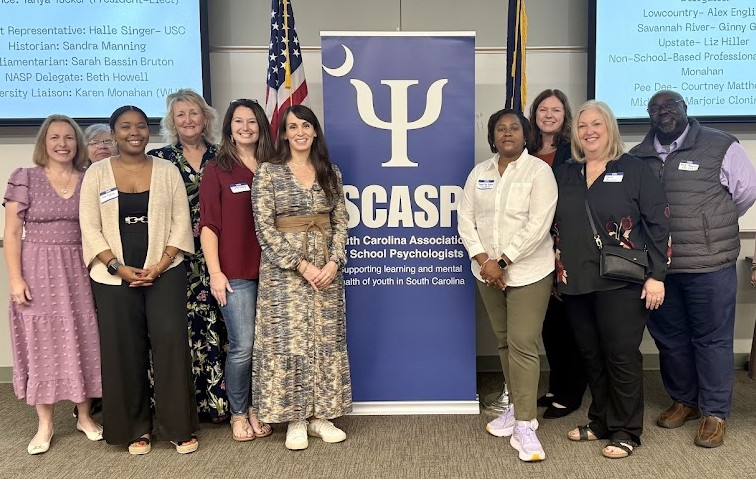
The SCASP executive board and regional representatives, Fall 2025.
Your board
Led by practitioners, from every corner of the state
SCASP is governed by an executive board of working school psychologists, joined by representatives from each of South Carolina’s six regions — so the decisions are made by people doing the same work you do.
1967
Founded in Columbia — two years before NASP
6
Regions, each with a seat on the board
300+
School psychologists, students, and retirees
2×/yr
Statewide conferences since the first year
Our Mission
Empowering the people who support South Carolina’s students
The South Carolina Association of School Psychologists is a membership organization that empowers school psychologists to support the learning and mental health of youth in South Carolina.
Advocacy
A voice at the State House
Six decades of testimony, rule-writing, and coalition work — from certification standards in the 1980s to licensure in 1998 to NCSP reciprocity in 2008.
Community
A statewide network
Members exchange ideas, share concerns, and collaborate on solutions across districts, universities, and training programs.
Practice
Professional standards
We work to improve both the quality of psychological services in South Carolina schools and the preparation of the professionals who deliver them.
Growth
Professional development
Two conferences a year featuring nationally recognized speakers, plus workshops, practice briefs, and recorded learning for members.
For families & educators
What does a school psychologist do?
School psychologists are trained in both psychology and education. They work inside schools to help students succeed academically, behaviorally, socially, and emotionally.
Assess and identify
Evaluate learning, behavior, and mental health needs, and help determine eligibility for special education services.
Intervene and support
Design academic and behavioral interventions, provide counseling, and support students through crisis.
Consult and collaborate
Partner with teachers, administrators, and families to build school environments where students can learn.
Our History
From a Five Points restaurant to the State House
SCASP was conceived in a graduate seminar in 1966 and has been organizing for South Carolina’s students ever since. A condensed history follows — the full archive lives in the members’ library.
SCASP history compiled by Dr. Sandra Manning, SCASP Historian.
1966 – 1972
The Early Years
SCASP began in a University of South Carolina seminar taught by Dr. Ralph Tindall in the fall of 1966. One student paper, by Marion Burns, argued the case for a professional organization — and the first cohort of interns, about to go out into South Carolina schools, recognized they would need one.
In May 1967 the students adapted the Wisconsin association’s constitution over a meal at a Chinese restaurant in Five Points. Ron McWhirt became the first president that fall. Tindall and Dr. Ed Emfinger deliberately kept it a students’ organization; Emfinger even proposed barring USC faculty from elective office.
Milestones
1967 — First constitution adopted in Five Points; Ron McWhirt elected president
1969 — SCASP begins fighting for supervision or elimination of the Educational Evaluator position
1970 — 42 members — 34 full, 8 associate; meetings move to the Columbia Airport
1973 – 1978
Let’s Grow
Membership tripled while the association pushed to improve both the quality of psychological services and the preparation of practitioners. The School Psych Scene newsletter launched in 1973, and by 1975 the budget could bring in national speakers on federal due-process regulations.
SCASP entered the political arena in earnest. Sharon Finuf and Dr. Mackie McQueen presented to the Senate Education Committee and the superintendents’ association, and Finuf served as an expert witness on services for students with disabilities.
Milestones
1973 — The School Psych Scene newsletter debuts; PL 93-380 task force formed
1976 — Official NASP affiliation — SCASP has 163 members to NASP’s 36 in-state
1978 — Membership organized into seven regions; Winthrop’s Specialist degree approved
1978 – 1990
Let’s Celebrate
SCASP created its awards program in 1978, honoring Dr. Ralph Tindall and Dr. Robert Black as the first recipients. Conferences became large celebratory learning venues, including a 1982 joint meeting with Georgia’s association and spring conferences in Myrtle Beach, Charleston, and Hilton Head.
Professional standards work continued throughout the decade. Dr. Reid Johnson spent years pressing to upgrade certification standards; effective July 1983, no new Educational Evaluator certificates were issued and internship provisions were established at all three levels.
Milestones
1979 — First Distinguished School Psychologist and Distinguished Educator awards presented
1982 — First Executive Board retreat; joint conference with Georgia’s association
1986 — Governor Dick Riley proclaims the first SC School Psychology Week
1988 — First long-range plan sets the association’s mission and goals
1990 – 2000
What’s in a Name
In 1991, after years of planning and a dues increase, SCASP hired its first part-time Executive Director. Dr. Sandra Manning — a school psychologist and former board member — served in the role until 2010, giving the volunteer board continuity and members a single point of contact.
The decade’s defining fight was licensure for non-doctoral school psychologists. From 1995 to 1998 SCASP mobilized committees of more than twenty members, funded a lobbyist through member donations and garage sales, and built working relationships across the legislature. On the last day of the 1998 session, told the title was the only remaining obstacle, the legislative committee agreed to Licensed Psycho-Educational Specialist — and the bill passed.
Milestones
1991 — First Executive Director hired; SCASP later establishes a presence on the web
1994 — Ad hoc committee formed to pursue master’s-level licensure
1998 — Non-doctoral licensure achieved as LPES; membership reaches 300
2000 – Today
A School Psychology Association for the 21st Century
SCASP lobbied to have the Nationally Certified School Psychologist credential included in South Carolina’s incentives for national board certification. A 2001 state-commissioned study concluded the two credentials were qualitatively different, stalling that effort — and legislative momentum with it for several years.
Attention turned to what could be won administratively. In 2008, PPI alumnus Bob Cantrell and a small group established that NCSP reciprocity required only Department of Education approval, not legislation; the request was approved within weeks, opening South Carolina certification to nationally certified school psychologists from other states.
Milestones
2001 — SERVE study halts the push for NCSP monetary incentives
2008 — NCSP reciprocity approved by the SC Department of Education
2012 — The School Psych Scene moves fully to electronic distribution
Leadership
Executive Board, 2026–27
Every seat on this board is held by a practicing school psychologist volunteering their time. Five regional delegates and a non-school-based representative make sure every part of the profession has a voice.
Nominate a colleague for an award →
Board nominations are open until 5 p.m. on January 29, 2027, for Secretary and the Lowcountry, Savannah River and Upstate delegate seats. Each is a two-year term.
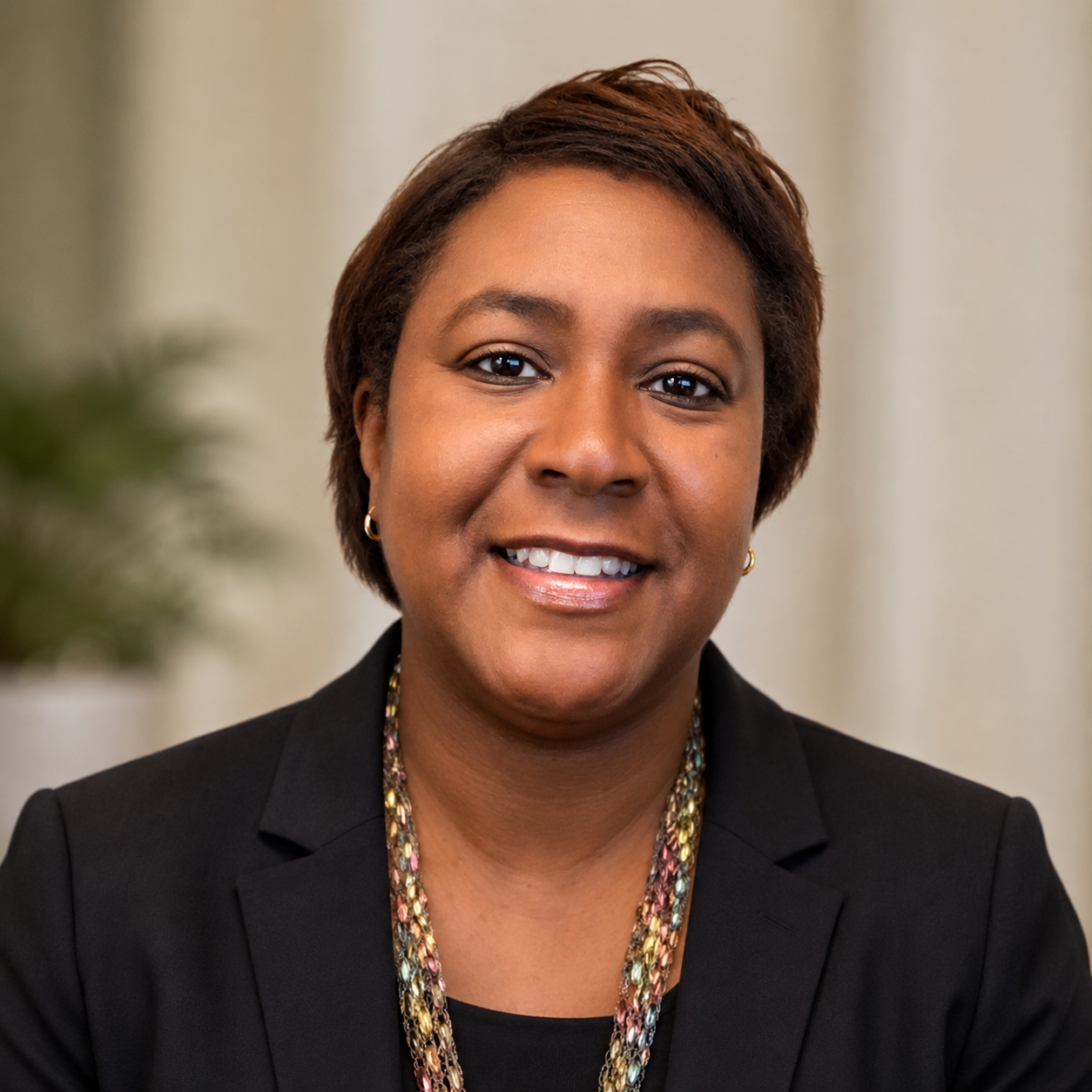
Dr. Tanya Irby Tucker
President
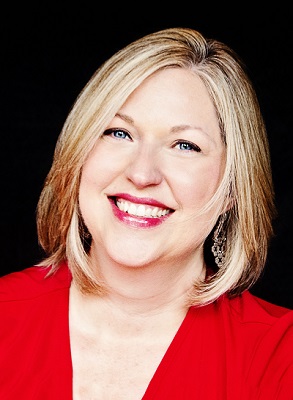
Dr. Karen Monahan
President-Elect
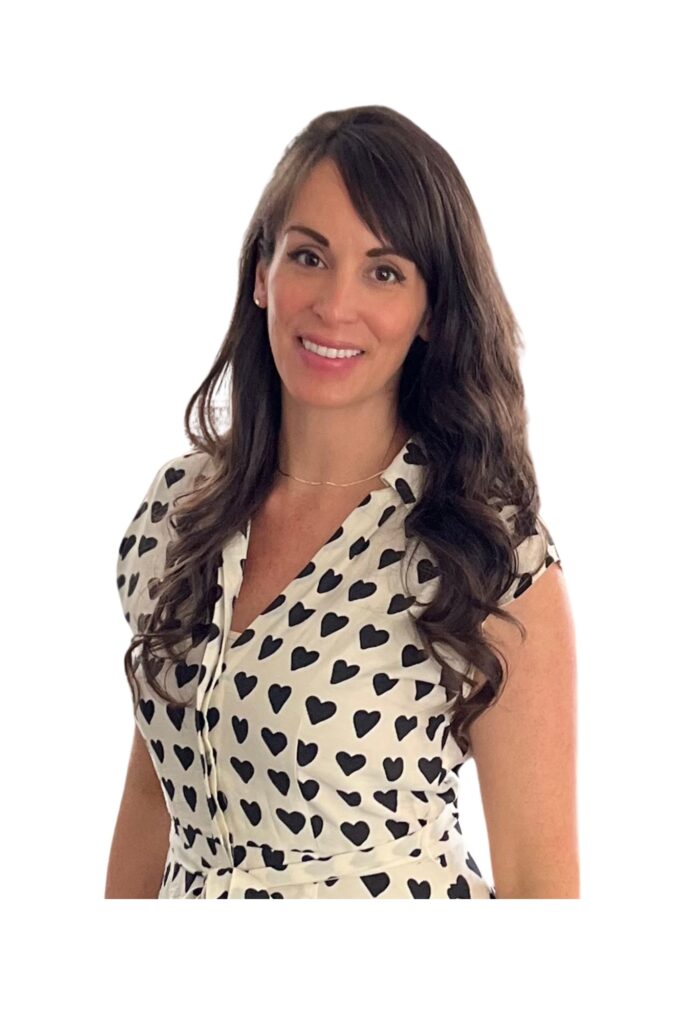
Beth Gavin
Past President
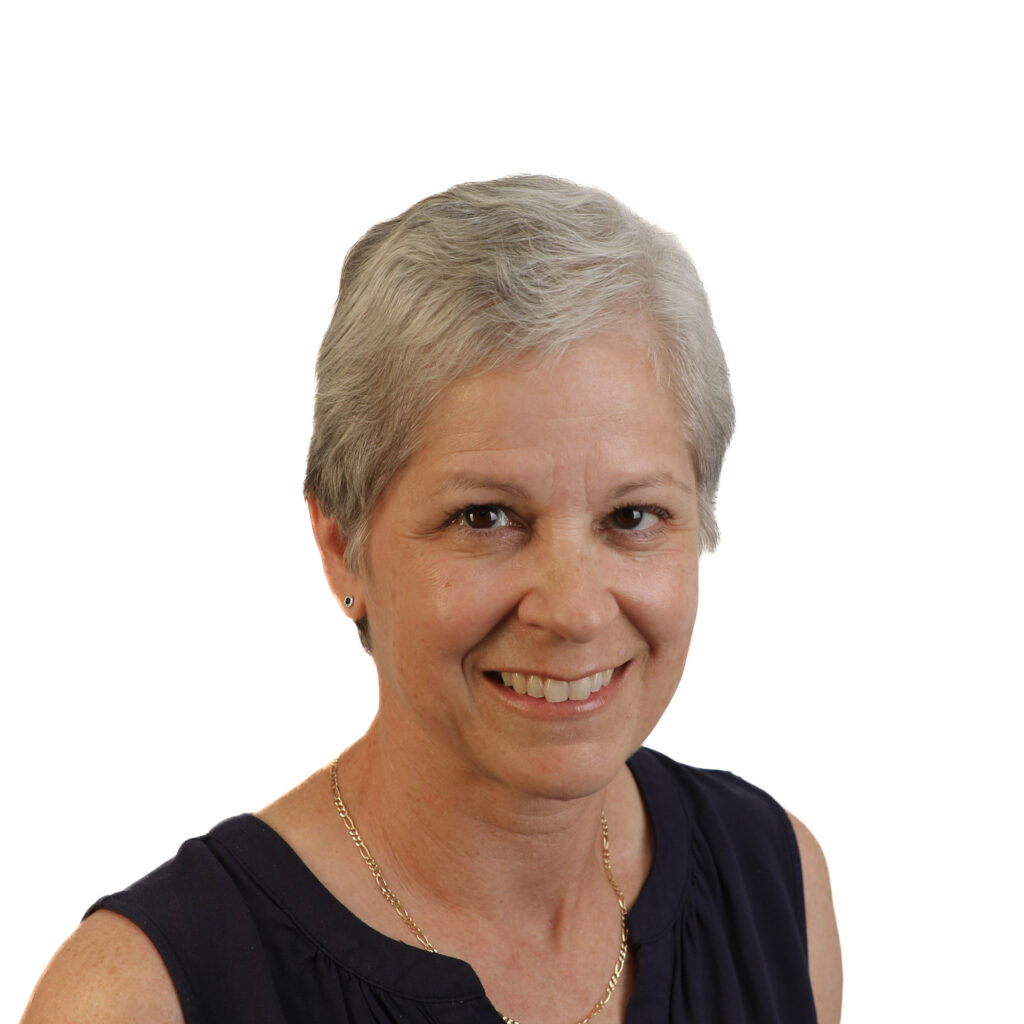
Dr. Stephanie Williams
Secretary
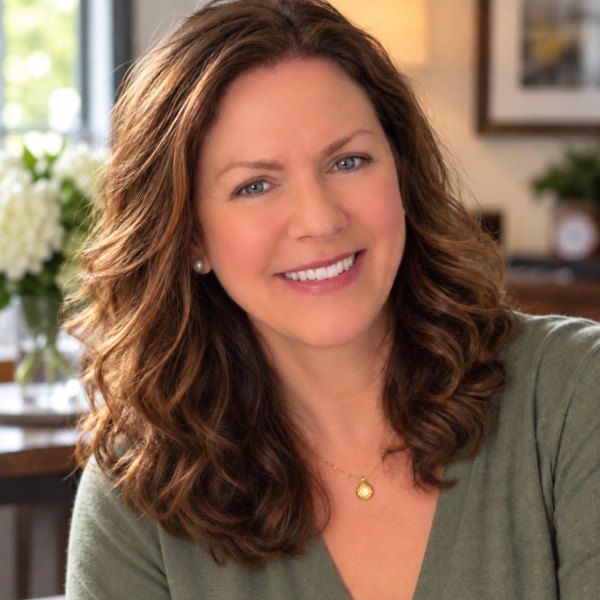
Dr. Crystal Hill-Chapman
Treasurer
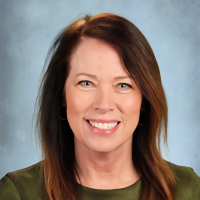
Dr. Patricia Daughtry
Executive Director
Committee Chairs
Advocacy
Lynn Collins & Sarah Bassin Bruton
Co-chairs
Governance
Beth Gavin & Dr. Tanya Irby Tucker
with Betsy Grier and Danielle Saia

Professional Development
Sara Mackiewicz
Finance
Dr. Tanya Irby Tucker
Public Relations
Charity Frizzell
Regional Delegates

Lowcountry
Alex English
Pee Dee
Courtney Matthews
Savannah River
Ginny Gast
Midlands
Michael Jacobson
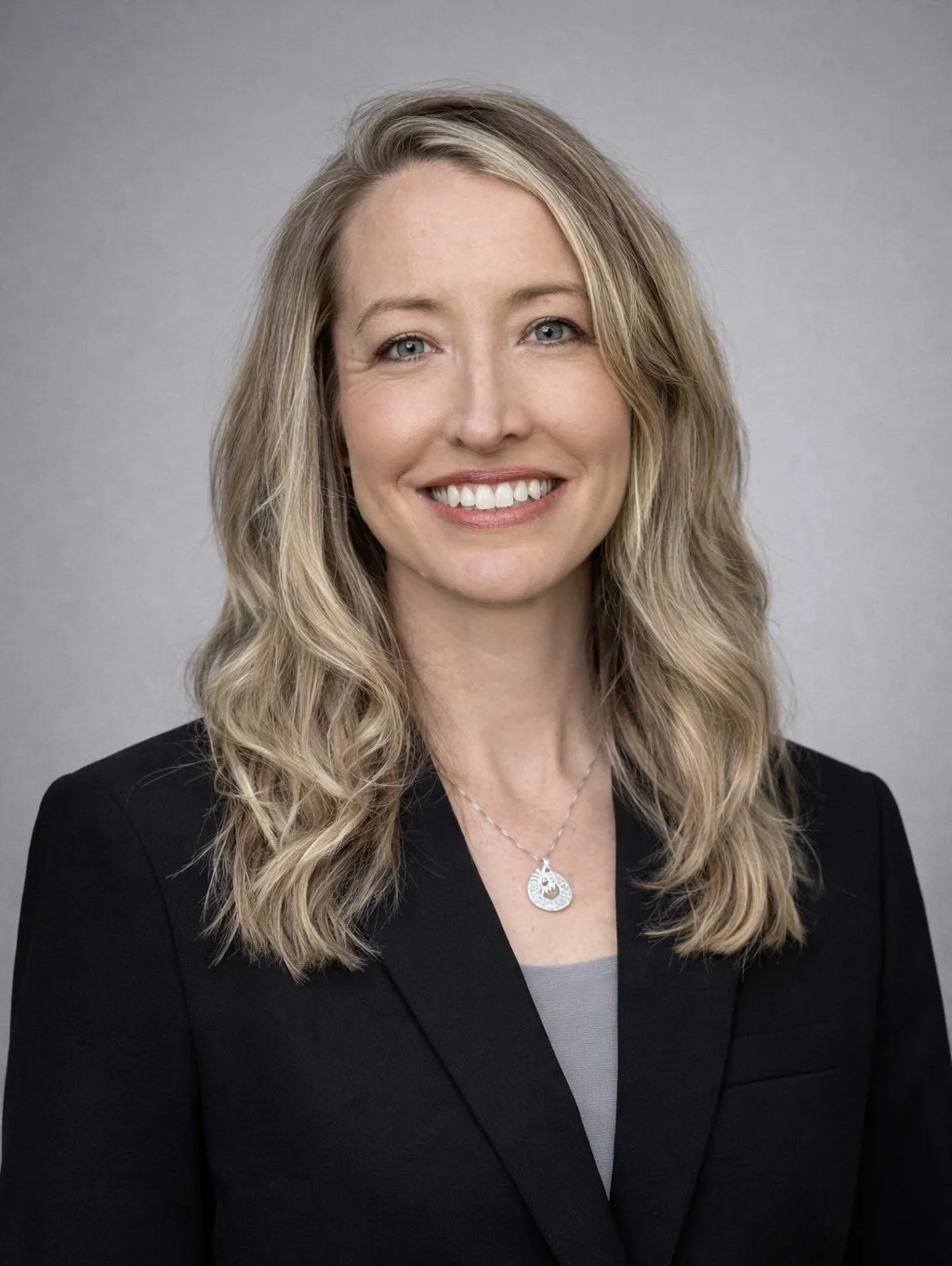
Upstate
Liz Hiller

Non-school-based
Jennifer Dodds
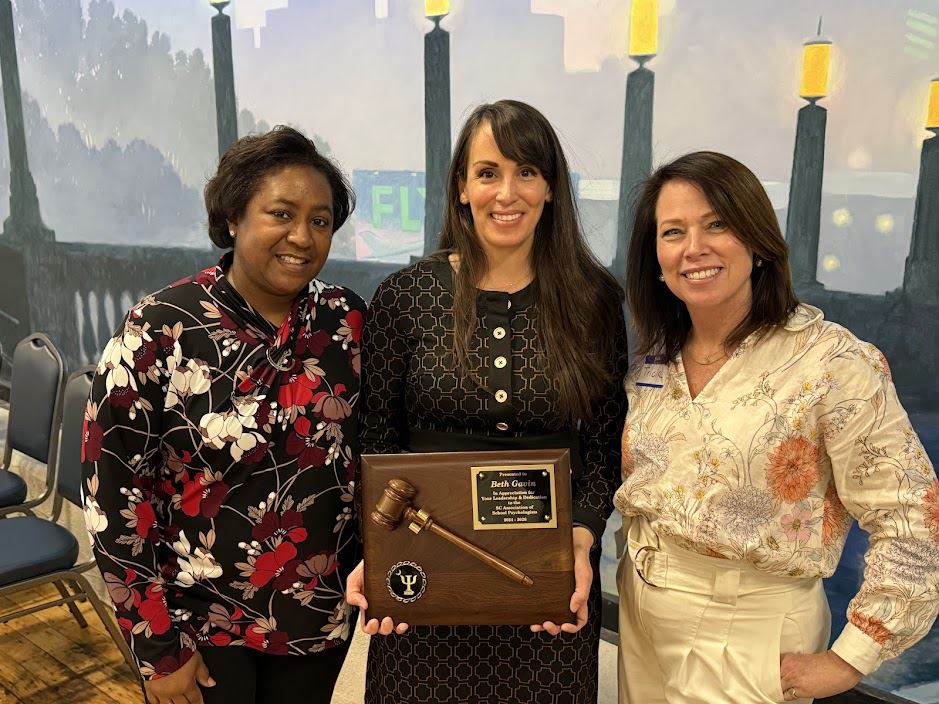
Passing the gavel · Spring 2026
Thank you, Beth Gavin
At the spring meeting, the association recognized Beth Gavin for her leadership and dedication as president through the 2024–2026 term, and welcomed Dr. Tanya Irby Tucker as incoming president.
Left to right: President Dr. Tanya Irby Tucker, Beth Gavin, and Executive Director Dr. Patricia Daughtry.
Ex-officio board members

Student Representative
Grace Johnson
University Liaison
Dr. Karen Monahan
Parliamentarian
Sarah Bassin Bruton
Historian
Dr. Sandra Manning
NASP Delegate
Beth Howell
Newsletter
Charity Frizzell
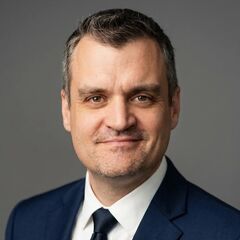
Webmaster
Philip Young
Committees
The work happens in committees
Every major SCASP achievement — licensure, NCSP reciprocity, School Psychology Week — came out of a committee of members who volunteered. Most ask for a few hours a month.
Advocacy
Lynn Collins & Sarah Bassin Bruton
Tracks legislation and regulation, organizes State House visits, and prepares testimony and position statements on behalf of the profession.
Highest activity
Finance
Dr. Tanya Irby Tucker
Oversees the annual budget, dues structure, and conference finances, and reports to the board and membership.
Quarterly
Governance
Beth Gavin & Dr. Tanya Irby Tucker with Betsy Grier and Danielle Saia
Maintains the constitution and bylaws, manages elections and nominations, and reviews board policy.
As needed
Professional Development
Sara Mackiewicz
Plans the fall and spring conferences, secures speakers, and develops workshops and recorded learning for members.
Year-round
Public Relations
Charity Frizzell
Produces the newsletter and social channels, and leads School Psychology Week and public-awareness campaigns.
Year-round
Get involved
SCASP has always been what its members made it.
Serve on a committee, represent your region, mentor a graduate student, or testify at the State House. Tell us where you’d like to help and a board member will follow up.